Big Bend National Park is one of the few US parks where "when to go" shapes your trip as much as "what to do." The park covers a vast range of elevations — from 1,800 feet at the Rio Grande to 7,800 feet in the Chisos Mountains — and conditions on the desert floor swing dramatically through the year. Every season here has something to offer; the key is knowing what each one is good for and planning your days to match.
The Short Answer
Best overall: October through April. Daytime temperatures are mild to pleasant. Hiking conditions are excellent. Stargazing is at its best in the long, cool nights.
Best for solitude: late November through mid-December, then January. Holiday weeks aside, the park sees a fraction of its peak crowds. Some ranger programs are reduced, but the trails are essentially empty.
Best for wildflowers: late March through April. The Chihuahuan Desert blooms briefly and intensely after winter rain. Bluebonnets, desert marigolds, ocotillo in flower. Spring break crowds, though.
Best for low crowds and low rates: summer (late May through September). Yes, it's hot — but while other destinations fill up and shut down, Big Bend empties out. Dramatic monsoon storms, post-rain desert blooms, the cool high Chisos, and the lowest lodging rates of the year reward travelers who hike early and sightsee smart. See the Summer section below for how to do it well.
Fall (October–November)
Fall is many people's secret-best season for Big Bend. Daytime highs ease into the 70s and low 80s. Nights are cool but not cold. The summer monsoons have just ended, so the desert is unusually green by Big Bend standards. Crowds are still moderate.
This is the time to hike longer routes that would be impractical in spring's heat — the South Rim Loop, the Outer Mountain Loop, the full Window Trail. River trips on the Rio Grande are running. The Hot Springs are perfect.
The first weekend of November is the Terlingua International Chili Cookoff, which brings a few thousand people to the area for a long weekend. Book lodging months in advance for that week; the rest of fall is relatively easy.
Winter (December–February)
Cool, dry, often spectacular. Daytime highs in the 50s and 60s; nights frequently below freezing, especially in the Chisos. Snow is rare but possible at elevation. The air is so clear you can see Mexico's Sierra del Carmen 50 miles into the distance.
Winter is the best stargazing season. Long nights, dry air, often no clouds. The Milky Way is below the horizon in winter, but the winter constellations — Orion, Taurus, the Pleiades — are brilliant, and the planets are usually well placed.
Trails are at their best in winter. Hikes you'd avoid in summer because of heat are completely comfortable. The High Chisos at 7,000+ feet can be cold; bring layers and check for trail closures after winter storms.
Crowds are at their lowest, except for the week between Christmas and New Year's.
Spring (March–April)
Spring is the most popular season and for good reason. Temperatures are mild — 50s to 80s — and the desert blooms. Wildflower watching becomes a sport: ocotillo flares red, bluebonnets carpet the lowlands, century plants send up their fifteen-foot stalks.
The downside: crowds. Spring break in mid-March packs the lodges, campgrounds, and parking lots. Hike Lost Mine or The Window in spring and you'll share the trail with a steady stream of people. Get on the trail at sunrise to dodge the heat and the crowd both.
By late April, the heat starts to assert itself. Lower-elevation trails become uncomfortable by mid-morning. Plan more strenuous hikes for the early hours.
Summer (May–September)
Summer is Big Bend's most underrated season. Yes, the desert floor runs hot — often above 100°F by midday — but that's exactly the opportunity: while other destinations get crowded and pricey, Big Bend empties out and rates drop. You'll have trailheads, overlooks, and night skies largely to yourself, and lodging is at its most affordable all year. For budget-conscious travelers and families on summer break, it's hard to beat.
The trick is to work *with* the heat, not against it. The Chisos Mountains stay 10–15°F cooler than the desert floor, so high-elevation hikes — Lost Mine, the Window, the South Rim — are very doable. Start at first light and plan to be off the trail by 11am. Save the rest of the day for sightseeing by car — the Ross Maxwell Scenic Drive, Santa Elena Canyon, the historic districts — all spectacular from an air-conditioned vehicle.
Then there's the monsoon. From roughly July into September, afternoon thunderstorms build over the mountains and sweep across the desert — towering clouds, lightning, and curtains of rain that are genuinely dramatic to watch from a covered patio. In the days after a good soak, the desert responds fast: ocotillo leaf out and wildflowers pop across ground that was bare a week before. (Watch for flash floods and washed-out low-water crossings — never drive into moving water.)
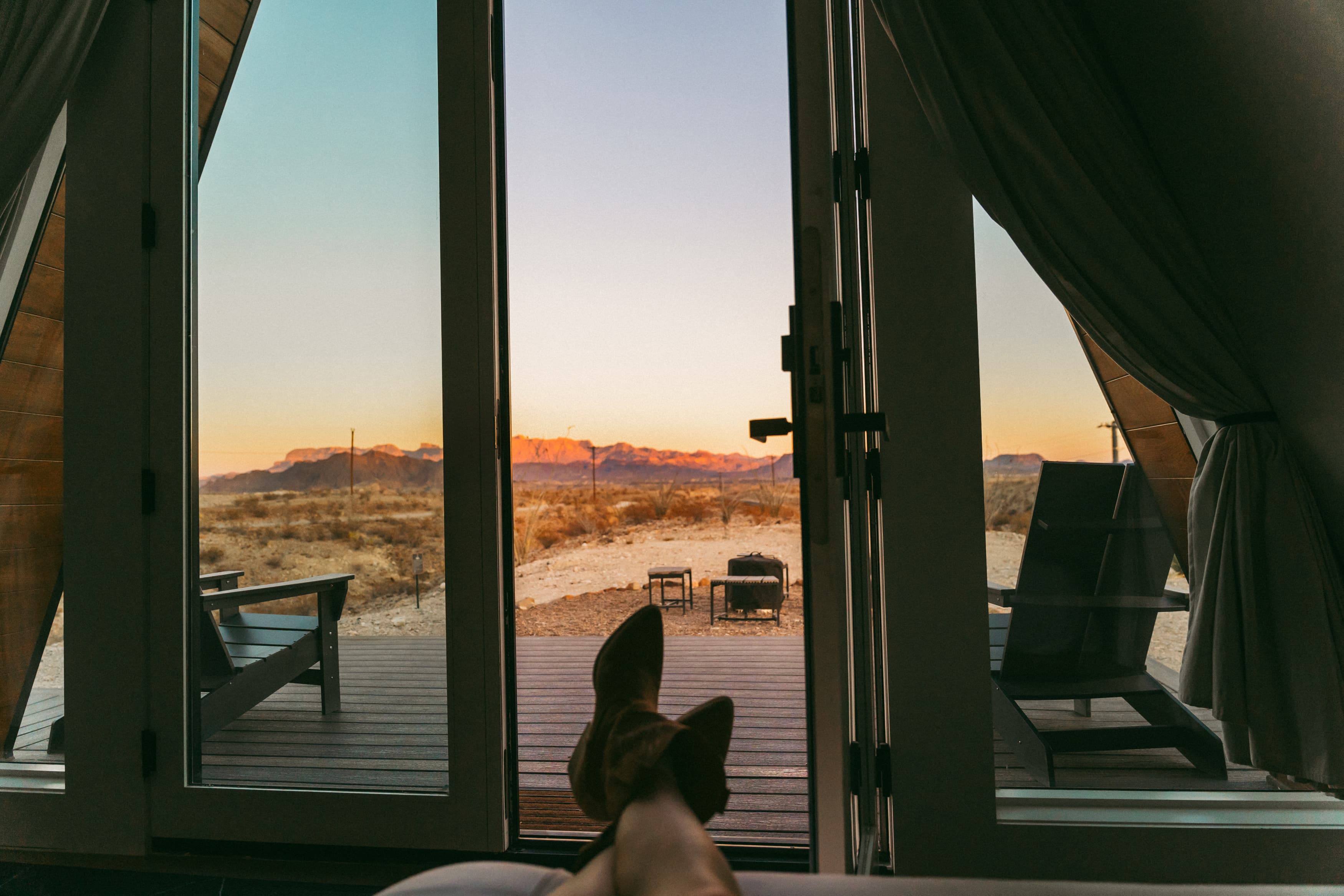
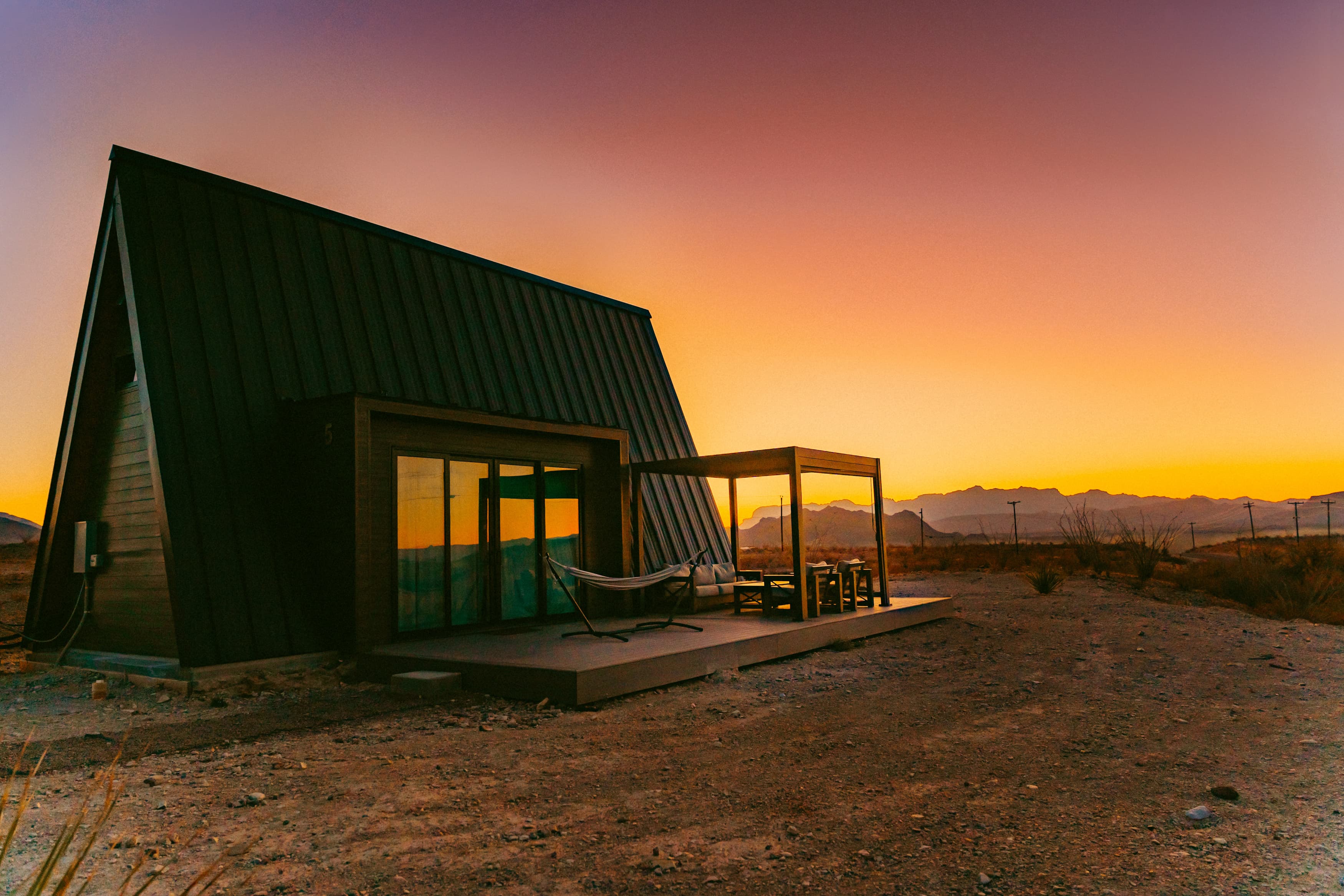
Best of all are the evenings. Once the sun drops, the desert cools off quickly and a breeze picks up, making it genuinely pleasant to be outside. At Stardust Big Bend, summer nights belong to the patios and the clubhouse — sit out under the stars with the temperature falling by the minute. And summer stargazing is special in its own right: the Milky Way core rides high overhead, and with so few visitors around, a dark overlook is often yours alone.
Summer rewards planning, not avoidance. Hydrate hard (a gallon per person per day on the trail), respect the midday heat, and let the cool mornings and evenings carry your itinerary.
Booking Notes
The two practical bottlenecks in Big Bend are park lodging and campground reservations. Both fill months in advance for peak season (October–April), with March–April being the absolute hardest. If you want to stay inside the park at Chisos Mountains Lodge, book 6+ months out. One thing to factor in: the lodge's restaurant has permanently closed, so there's no sit-down dining in the park anymore — just a food truck with limited hours. Whether you stay inside the park or only spend the day there, plan to pack your own food and water.
For lodging outside the park in Terlingua, you'll have more flexibility on dates. Stardust Big Bend is five minutes from the western entrance, and Terlingua lodging tends to have availability closer to your travel date than the in-park lodge. Our availability grid shows live openings across all 12 lodges.
Practical Gear Notes
Whatever season, bring more water than you think you need (1 gallon per person per day minimum on the trail), real sun protection, and layers — desert temperature swings of 40°F between noon and 4am are normal. Cell service is unreliable to nonexistent in most of the park. Download offline maps before you arrive.
The National Park Service weather page has current conditions and seasonal averages. Check it before you book and again the week before you travel.