Big Bend National Park is one of the last truly wild places in the continental United States. Covering over 800,000 acres of Chihuahuan Desert, the Chisos Mountains, and the Rio Grande, it's a landscape of extraordinary contrasts — towering canyon walls, volcanic formations, ancient fossils, and skies so dark they seem to belong to another century.
Getting There
Big Bend's remoteness is both its greatest asset and its greatest logistical challenge. The nearest major city is Midland/Odessa, about 3 hours away. El Paso is 4 hours, San Antonio 5. The drive in is part of the experience — long stretches of highway through desert grasslands with the Chisos Mountains rising dramatically on the horizon.
Fly into: Midland International (MAF) — closest commercial airport. El Paso (ELP) has more flight options. Rent a car; there is no shuttle service to the park.
When to Go
The park is open year-round, but timing matters enormously.
- October–November: The sweet spot. Temperatures in the 70s, wildflowers, peak hiking conditions.
- December–February: Cool days, cold nights. Excellent stargazing. Some high-elevation trails may close.
- March–April: Spring wildflower season. Crowds increase around spring break.
- May–September: Extreme heat. Daytime temperatures in the desert floor regularly exceed 100°F. Only experienced desert hikers should tackle strenuous trails.
Top Trails
The Window Trail (5.6 miles round trip) is arguably the most iconic hike in the park — a canyon pour-off framing a perfect rectangle of sky. Do it at sunset.
South Rim Loop (12–14 miles) is the crown jewel for serious hikers. 360-degree views from 7,400 feet. Requires a backcountry permit.
Santa Elena Canyon (1.7 miles) offers spectacular canyon walls rising 1,500 feet on both sides of the Rio Grande. Easy, accessible, stunning.
Lost Mine Trail (4.8 miles) is the best single hike for first-timers — moderate difficulty, dramatic views of the Chisos Basin from the top.
Stargazing
Big Bend holds one of the lowest levels of artificial light pollution in the continental US. On a clear night, the Milky Way is visible to the naked eye in breathtaking detail. The park hosts annual astronomy programs and has designated viewing areas. Staying at Stardust Big Bend means you can stargaze in full comfort without losing that deep-sky darkness.
Where to Stay
Inside the park: Chisos Mountains Lodge (book months in advance) and several campgrounds. Note that the lodge restaurant is permanently closed — there's no sit-down dining in the park now, only a limited-hours food truck, so plan to bring your own food.
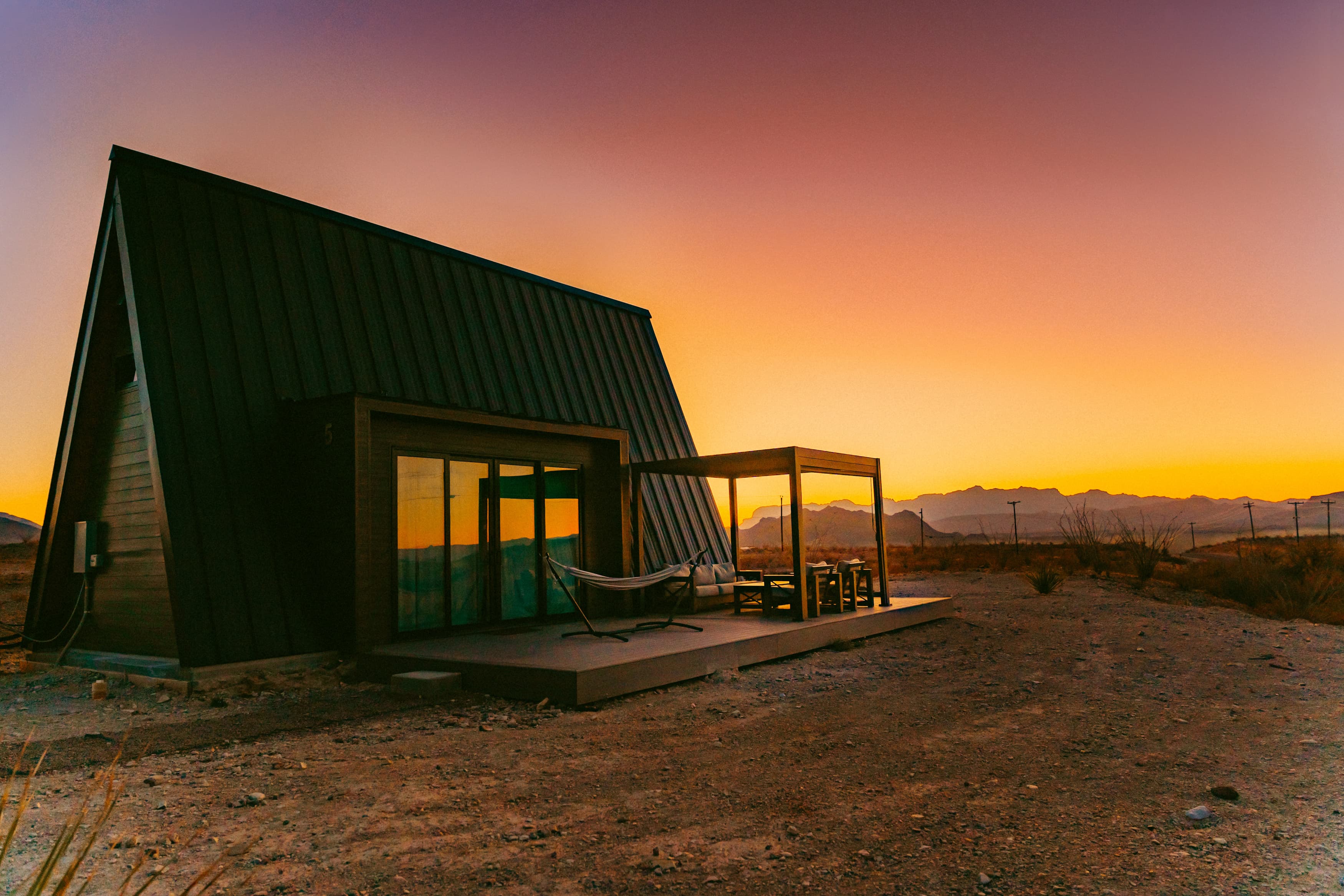
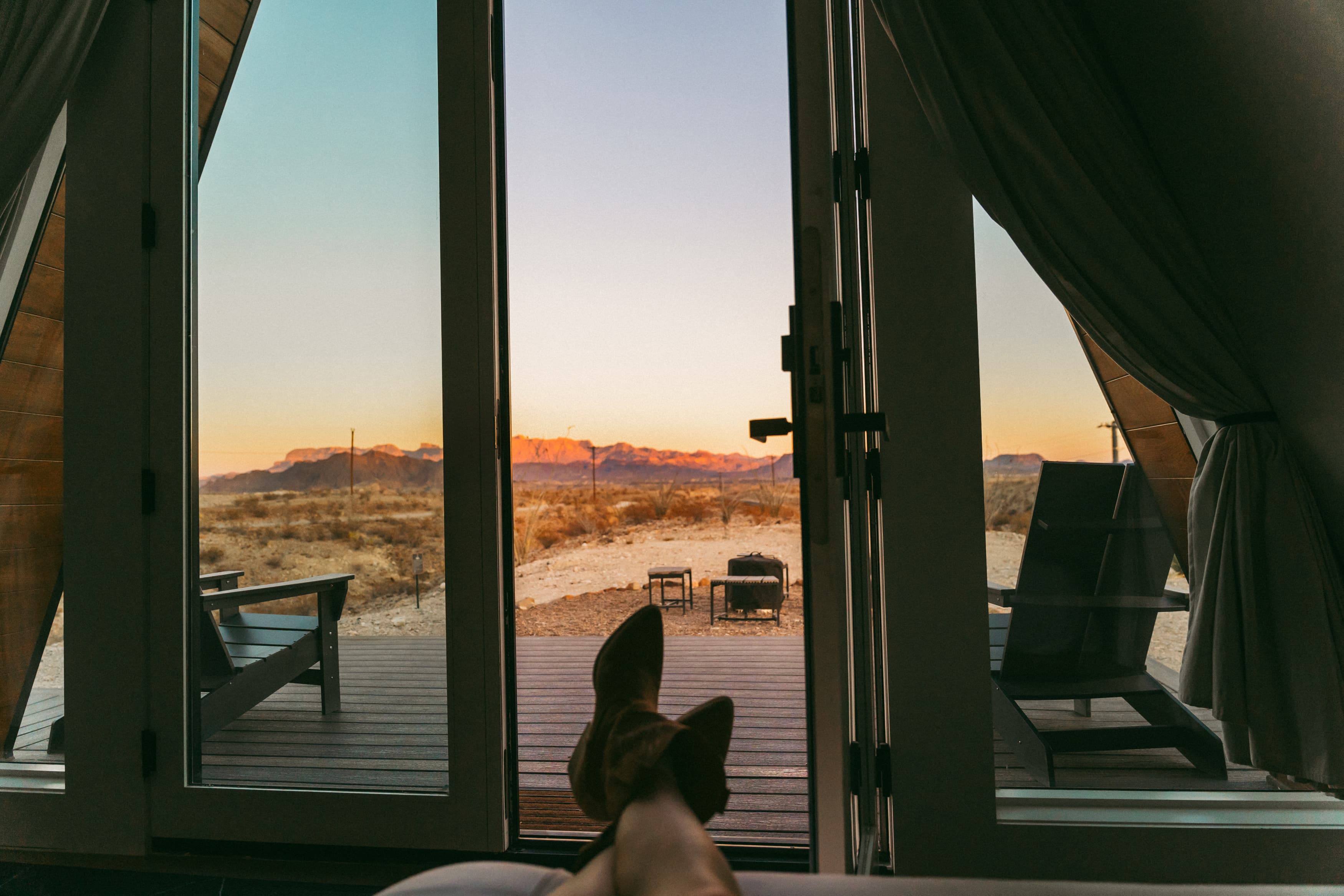
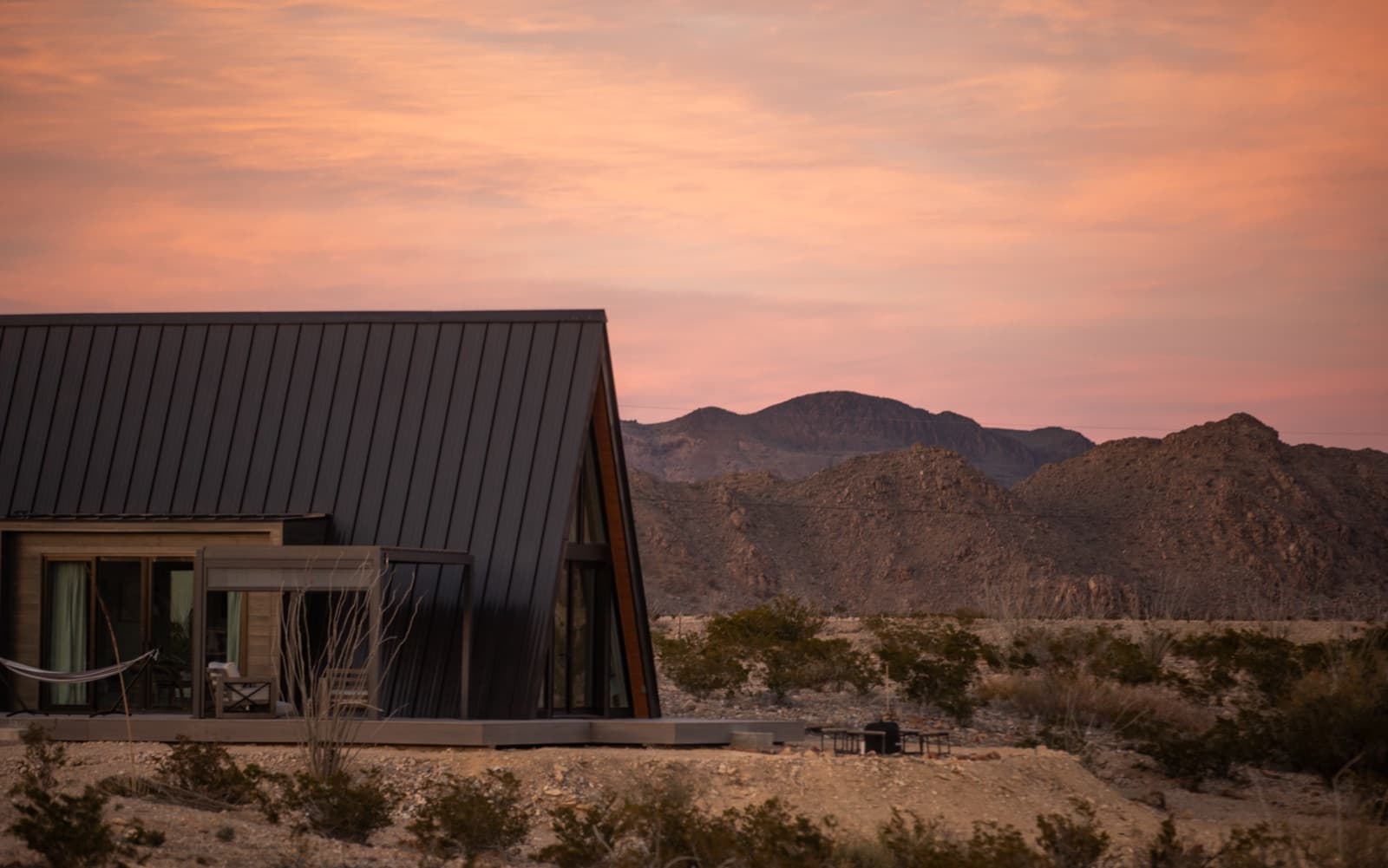
Outside the park: Staying in Terlingua gives you more flexibility and comfort. Stardust Big Bend's 12 luxury cabins are just 5 minutes from the park entrance — the ideal base camp for a proper Big Bend experience.
Essential Gear
- High-SPF sunscreen and a wide-brim hat
- At least 1 gallon of water per person per day on the trail
- Trekking poles for canyon terrain
- Headlamp (for stargazing and early starts)
- Layers — desert temperature swings can be 40°F between day and night
Big Bend rewards those who come prepared and stay curious. There is truly nowhere else like it.