Until very recently, Big Bend National Park was one of the harder national parks in the lower 48 to reach by EV. The closest fast-charging was hours away, the park itself had nothing, and "range anxiety" wasn't an abstract concept — it was the trip planning. The infrastructure has changed dramatically in the past two years. Today, an EV trip to Big Bend is well within range of nearly every modern electric vehicle, and the logistics are straightforward if you plan a little.
The Current Charging Map
Fort Stockton, TX — the original Big Bend gateway Supercharger, off I-10. The natural overnight or rest stop for travelers coming from the east. Several charging stalls; rarely waited on.
Alpine, TX — Tesla Supercharger came online January 18, 2024. A $200K Tesla installation in downtown Alpine, the major town on the route in. Eight V3 stalls. NACS-compatible — works for Tesla and increasingly for other brands.
Terlingua, TX — Tesla Supercharger station at Basecamp Terlingua with 8 V3 stalls and NACS compatibility. This is the closest fast-charger to Big Bend National Park. From Terlingua, the park entrance is 3 miles. The full park drive (to Boquillas, on the east side) is about 100 miles round-trip — well within any modern EV's range.
Slower charging in the area is available at several Terlingua lodges and a handful of Big Bend Ranch State Park locations. Most are Level 2 chargers (J1772 standard, 6-8 hour full charges).
Range Math for Common EVs
For reference, here are some typical real-world ranges and the relevant distances for the trip:
From Alpine to Terlingua: ~80 miles - Any modern EV (200+ miles real-world range): no concerns - 2017-era 60kWh EV (~150 miles real-world): use the Alpine Supercharger and you'll have 70+ miles spare on arrival
From Terlingua to the deepest part of Big Bend (Boquillas area): ~100 miles round-trip - Within range of any modern EV from a full Terlingua charge - Plan for a full charge before any long park day
From DFW/Austin to Big Bend: 450-500 miles - Plan one Supercharger stop in Fort Stockton, one in Alpine - Most modern EVs can do this with ease as a one-day drive (8-9 hours) - Tesla's route planner handles it automatically; PlugShare or A Better Routeplanner are good for non-Tesla
Charging at Your Lodging
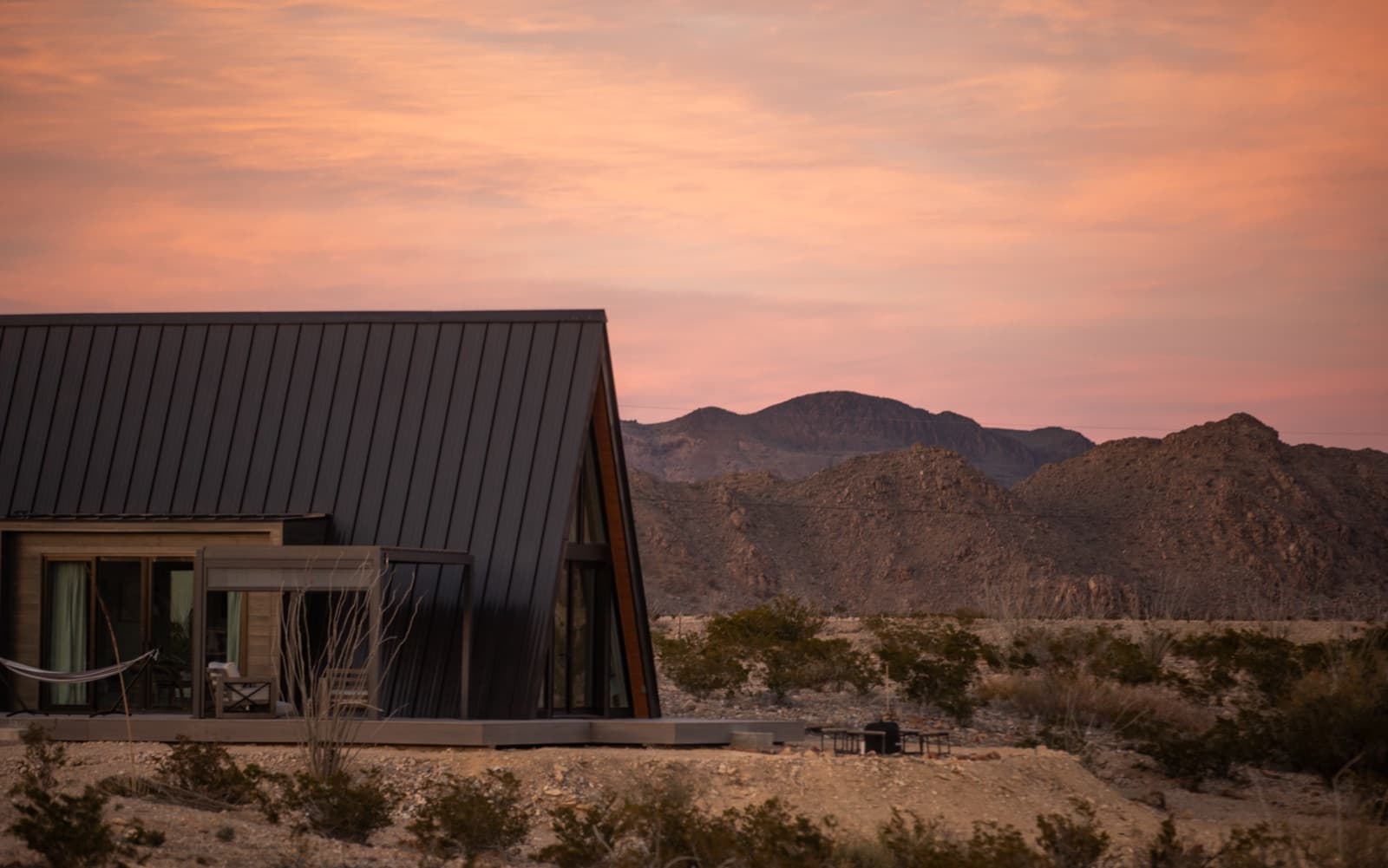
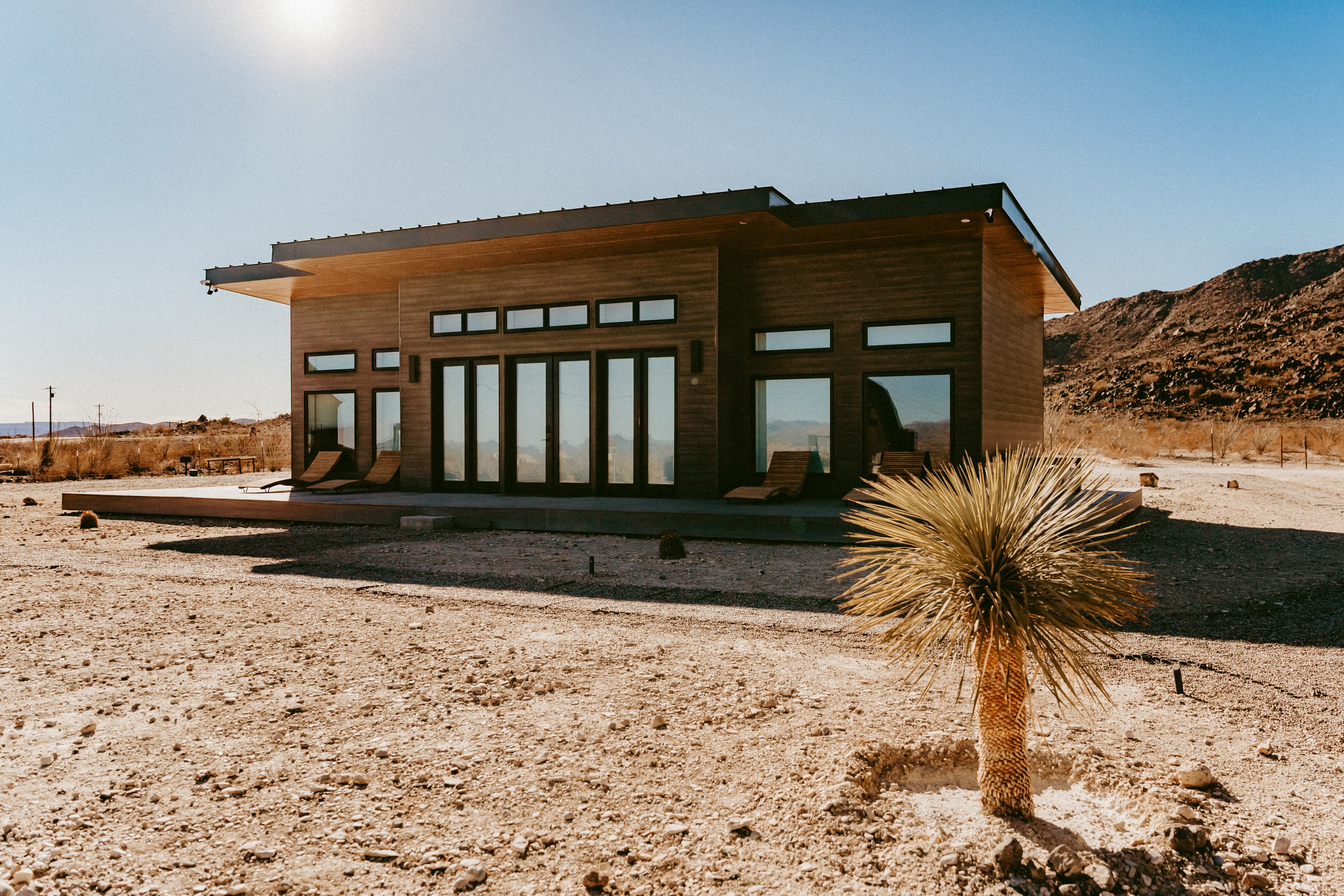
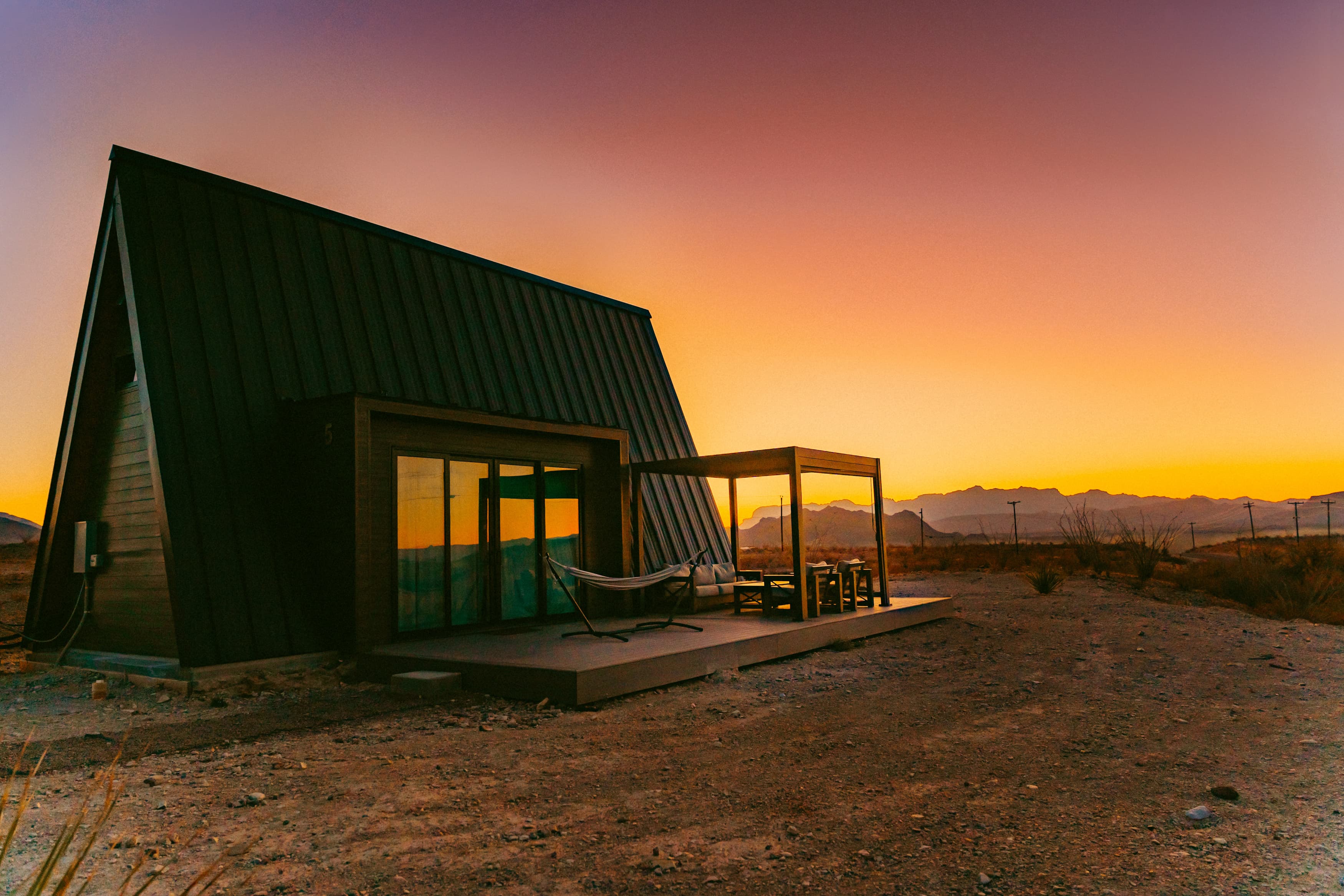
Stardust Big Bend offers EV charging on-site as a property amenity. Both Tesla NACS and J1772 connectors are available; charging is currently a $30/night flat fee per vehicle. The chargers are Level 2 (~25 miles of range per hour), which means a full overnight charge restores most or all of any EV's daily range.
This is meaningful because it lets you treat the park itself as one long day-trip from your cabin, without ever needing to plan around the Terlingua Supercharger during your stay. Pull in Friday evening with whatever range you have left. Wake up Saturday with a full battery. Repeat each night.
The alternative — driving 3 miles to the Terlingua Supercharger each day for 20-30 minutes of fast charging — is fine but adds an unnecessary chore to a vacation. Most Stardust EV guests use the lodge charger and never visit the public chargers.
Practical Tips
Always arrive with at least 20% buffer. West Texas chargers are rarely busy enough to wait, but if a stall is broken or being used, you want options.
Charge to 100% only when you're about to drive far. Otherwise charge to 80% — faster, easier on the battery, frees the stall for the next driver.
Heat reduces range. Summer trips can see 15-20% range loss vs. EPA estimate due to AC + battery thermal management. Plan accordingly.
Cold reduces range too (~15% in winter mornings). Less of an issue at Big Bend's elevation but worth noting if you're planning long park days in January.
Check both Tesla's network AND PlugShare before relying on non-Tesla chargers. The Terlingua/Big Bend area has expanded fast; older guidebooks underestimate what's available now.
No charging IN the park yet. Big Bend National Park itself has not yet installed EV charging at the visitor centers or lodge. There's been discussion of it for years; nothing concrete yet. Plan to charge before you enter the park.
What Changed
For context: in 2021, a road trip from Dallas to Big Bend in a non-Tesla EV required either careful Level 2 timing or a backup plan. By early 2024, with both Alpine and Terlingua Superchargers operational, the route became as easy as a road trip in a gas vehicle — possibly easier, since charging time is also a natural break for stretching legs and getting coffee.
Tesla's strategic decision to prioritize national park access in their 2023-2025 buildout has been a meaningful change for places like Big Bend. The new infrastructure is opening the park to a class of visitors who simply couldn't have made the trip a few years ago.
A Sample EV Trip Itinerary
Day 1 (drive in): - Leave Austin/DFW/Houston in the morning, charged to 90% - Fort Stockton Supercharger lunch stop (20-30 min) - Alpine Supercharger top-off if needed (10-15 min) - Arrive at Stardust by evening with 30-40% remaining - Plug into the cabin's J1772 or NACS Level 2 overnight
Day 2-3 (park days): - Wake up with full battery each morning - Drive into the park, do hikes/sights, return to the cabin in the evening - 60-100 miles of in-park driving is the typical day; well within any modern EV's range from a full morning charge
Day 4 (drive out): - Wake up with full charge - Reverse the route, with one or two short Supercharger stops
For a more detailed packing list including EV charging cable, see what to pack for Big Bend. For broader trip planning, see the ultimate guide.
EV-friendly Big Bend is one of the genuine wins for sustainable travel in the past few years. Use it.