Big Bend National Park records more bird species than any other park in the National Park System — over 450 — plus 75 mammal species, 56 reptile species, 11 amphibians, and 40+ kinds of fish. The combination of three habitats (river, desert, mountain) on one piece of protected land produces unusually rich and varied wildlife. Spend a few days here and you'll see things you don't see anywhere else.
What You'll Almost Certainly See
Javelinas. Also called collared peccaries. These pig-like ungulates travel in tight groups of 6–20, and the Chisos Basin parking lot is one of the most reliable places to see them — usually at dawn or dusk, often calmly grazing on prickly pear with their tusks visible. They're not aggressive but they're surprised easily. Don't approach; don't try to feed them.
Roadrunners. Yes, exactly the bird the cartoon is based on. Greater roadrunners are common throughout the park and the surrounding desert. They run at 15–18 mph, hunt lizards and rattlesnakes, and they make a strange descending coo rather than a beep. You'll spot one within an hour of arriving.
Mule deer. Common throughout the park. The bucks grow surprisingly large antlers given the harsh desert conditions.
Mexican jays. Loud, social, blue corvids that travel in groups and steal food from picnic tables when you're not looking. Common in the Chisos Basin area.
Turkey vultures. Almost always overhead, riding thermals on six-foot wingspans.
What You Might See If You're Patient
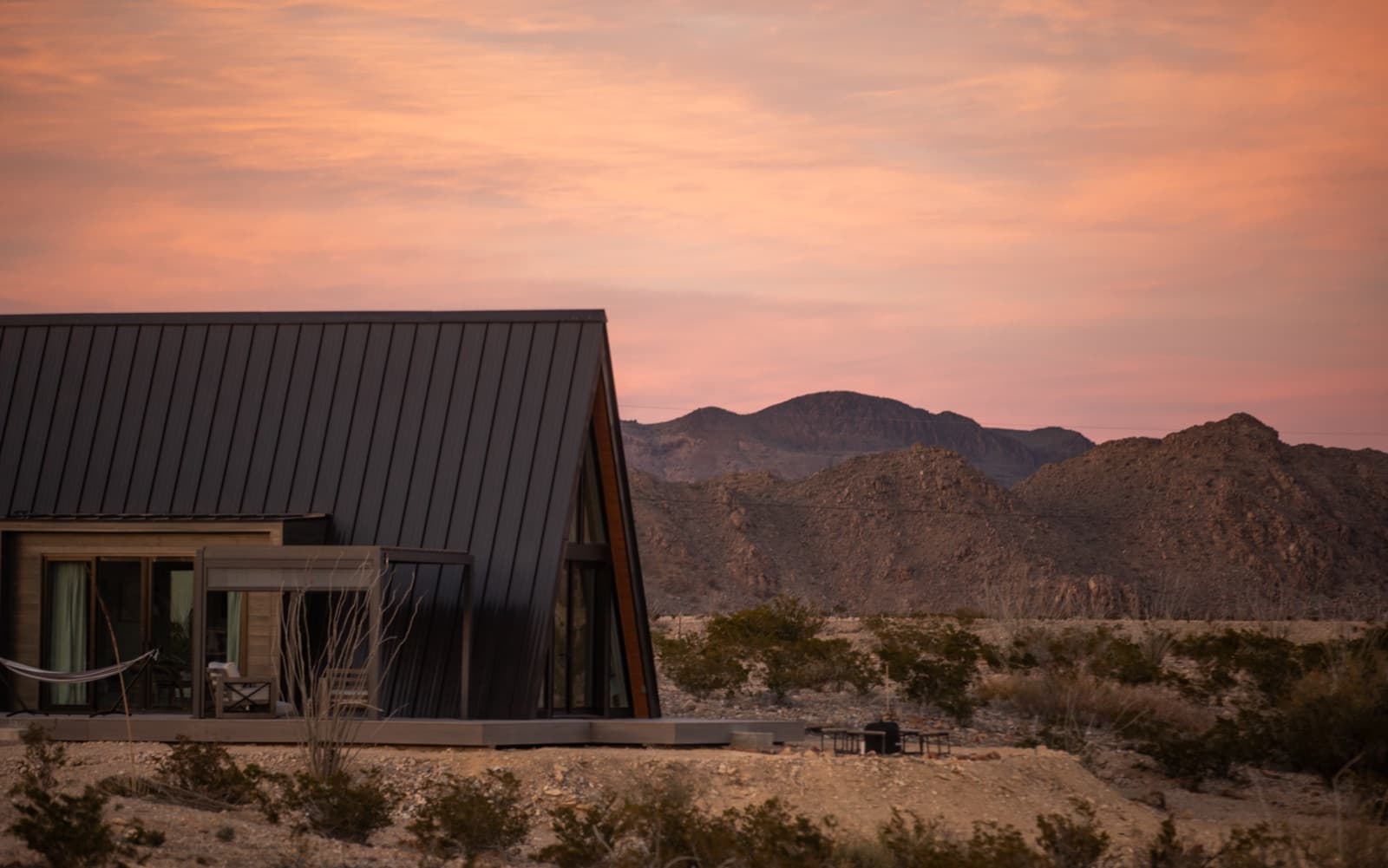
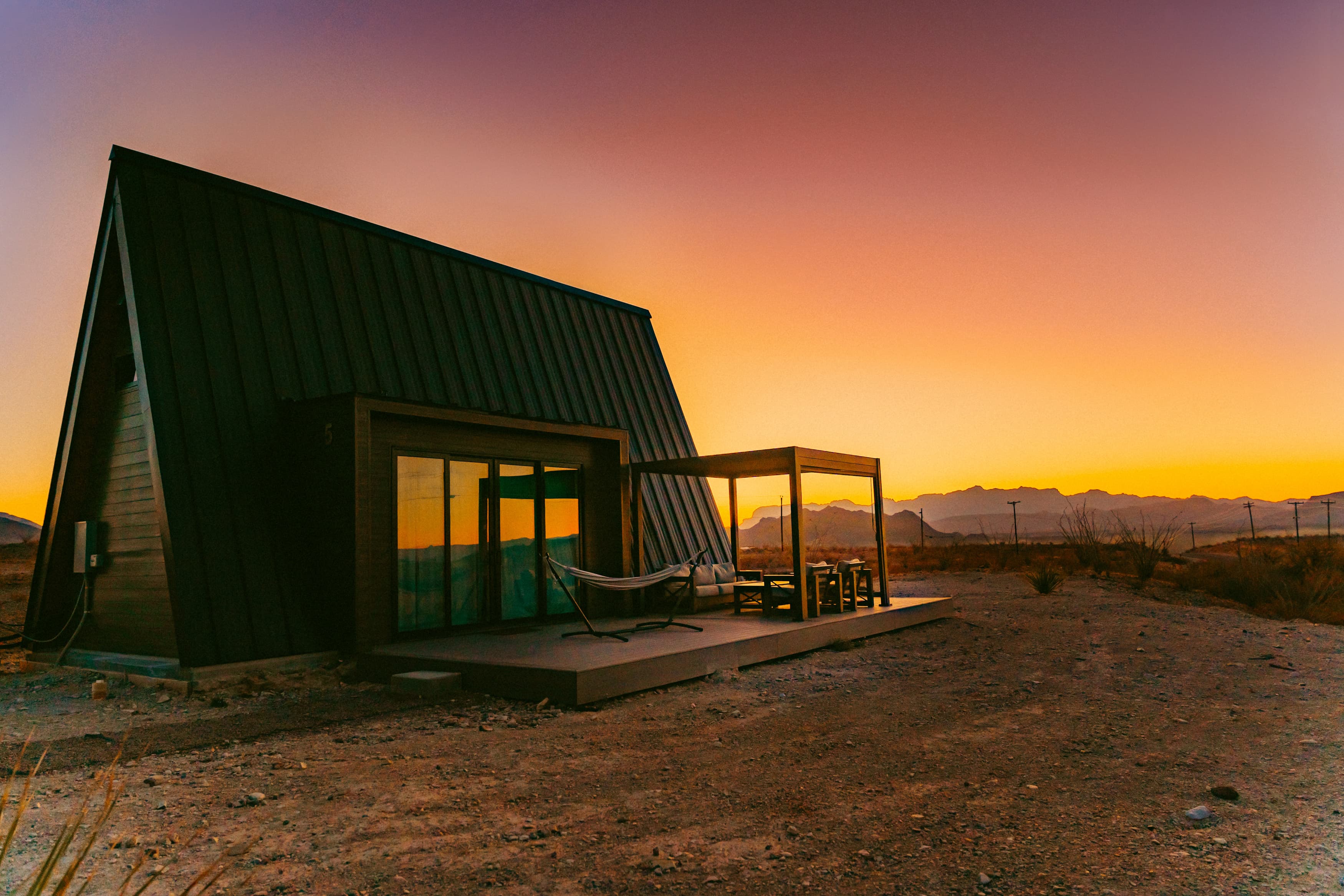
Ringtails. Small, big-eyed, raccoon-relatives with banded tails. Nocturnal and shy, but they sometimes appear around campground edges at night. If you're staying in a remote cabin, watch the firepit area after dark.
Coyotes. Heard much more than seen — their evening yipping is one of the iconic Big Bend sounds. Occasionally cross roads at dawn.
Tarantulas. Big, fuzzy, slow-moving spiders. Active mostly in late summer/fall when males walk in search of mates. Harmless to humans (their venom is comparable to a bee sting). Don't touch.
Roadrunners catching rattlesnakes. Less common, but the trail patrol regulars will tell you about it. Roadrunners team up to surround and kill snakes that would be dangerous to a single bird. Cinematic if you see it.
Black bears. Yes — the Chisos Mountains have a small but established black bear population. They're shy and seldom-seen. The Chisos campgrounds use bear-proof food lockers; if you camp there, use them.
Mountain lions. Big Bend has a healthy mountain lion population — possibly 50-100 cats in the park. They are extremely rarely seen. Most park rangers go years without sighting one. The park records 2-3 brief encounters per year, almost all just-a-glimpse-from-the-trail situations. If you see one, give it space; it will usually leave.
Things to Be Careful Of
Rattlesnakes. Several species, including western diamondbacks. Most active March through October, especially around dusk. They want nothing to do with you and will warn you before striking. Watch where you put your feet, hands, and butt when scrambling over rocks. If bitten, get to medical attention; mortality is low with prompt treatment.
Scorpions. Common at night, especially in summer. Their sting is painful but rarely dangerous (a few species are more serious; consult a doctor if symptoms worsen). Shake out your shoes in the morning if you've left them outside.
Centipedes and tarantulas. Both look more dangerous than they are. Don't handle.
Mountain lions. Statistically the largest predator you'll encounter, statistically the lowest risk. The standard advice is: don't hike alone at dusk/dawn in remote canyons, don't run from one if you see it, look big, back away slowly. There has never been a recorded lion attack on a human in Big Bend National Park.
When to See the Most
Dawn and dusk. Most desert wildlife is crepuscular — most active in the cool hours just after sunrise and just before sunset. Plan your wildlife-watching for those windows.
Spring through fall has the most variety in birds. Many species migrate through Big Bend along the Rio Grande corridor.
After summer monsoons (July-September), the desert briefly explodes with insect life, which brings birds, which brings hawks. Even toads emerge for a few weeks.
Best Places
Rio Grande Village and Cottonwood Campground — riparian birds and javelinas regularly.
Chisos Basin — mule deer, javelinas, Mexican jays, and (rarely) bears. Walk the Window View Trail at dawn.
Sam Nail Ranch — a small abandoned ranch with a windmill that draws birds. Often the best 20 minutes of bird-watching in the park.
Dugout Wells — quiet, low-traffic, surprising variety of desert wildlife.
Photographing Wildlife
A 300mm lens is the minimum for serious wildlife photos at Big Bend. Animals are mostly skittish, distances are large. Patience matters more than gear: park yourself at a known wildlife location at dawn, sit still, wait. Most photographers leave Big Bend with more bird shots than they expected and fewer mammal shots than they hoped.
The NPS has a detailed wildlife page with species lists. From Stardust Big Bend, the most reliable wildlife morning is to drive to Sam Nail Ranch at sunrise — about 45 minutes — and spend 30 minutes there with binoculars and coffee.