Most guides to Big Bend will tell you fall and spring are the best seasons. They're right about the temperatures. But ask anyone who's spent a January week in the park, and you'll hear a different argument: winter is when Big Bend is at its best. Cool days, clear nights, empty trails, and the longest possible window of dark sky. The case for visiting in December, January, or February.
What the Weather Actually Looks Like
December through February in Big Bend run cool, dry, and clear:
- Daytime highs: typically 55-70°F in the desert; 45-60°F in the Chisos Mountains
- Overnight lows: 25-40°F in the desert; can drop into the teens in the Chisos
- Precipitation: minimal — most of Big Bend's annual rain falls July-September
- Sky conditions: among the clearest of the year (low atmospheric moisture)
- Wind: typically moderate, occasionally fierce in afternoon
For comparison, July highs in the desert routinely exceed 100°F. The desert in winter is roughly half the temperature it is in summer. That changes everything about what hikes are comfortable, when you can be outside, and how you sleep.
What's Better in Winter
Hiking conditions. The brutal exposure of summer trails (Lost Mine, South Rim, Santa Elena Canyon approach) becomes pleasant. You can hike from 9am to 4pm without weather pressure.
Trails you wouldn't dream of in summer become straightforward. The South Rim Loop is doable in a single comfortable day. The Window Trail returns to its kinder, gentler self. Even Mariscal Mine, in the punishing east side of the park, becomes a reasonable half-day expedition.
The crowds drop dramatically. Spring break at Santa Elena Canyon parking lot is bumper-to-bumper. December at Santa Elena Canyon parking lot is empty. You can do trailheads in midday without competing for parking.
Stargazing is at its peak. Long nights (sometimes 14+ hours of darkness), exceptionally dry and clear air, no monsoon moisture, and constellations like Orion at their best positioning. (Stargazing guide.)
The drive in is pleasant. Summer drives across West Texas plateau are dehydrating; winter drives are crisp and clear-aired.
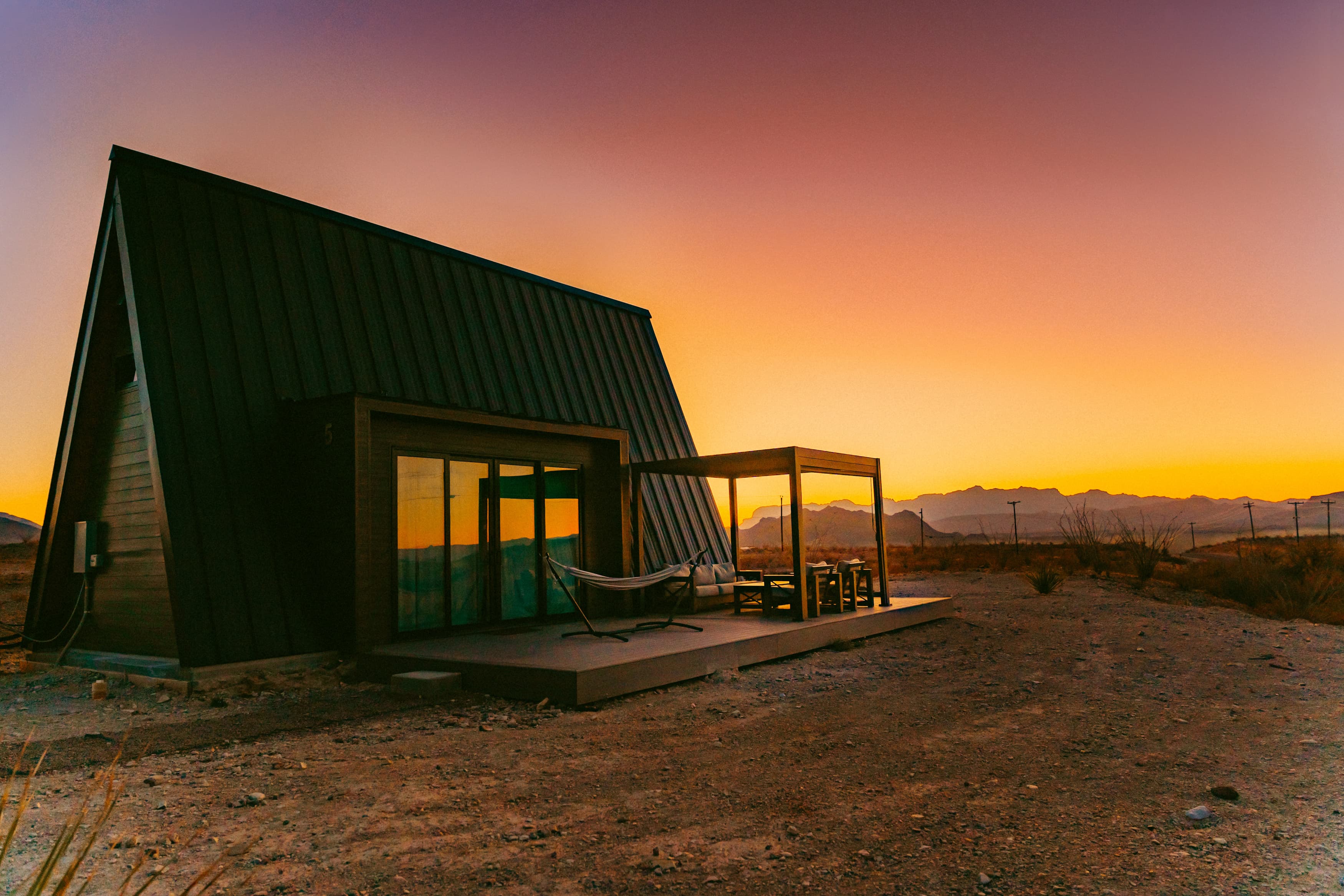
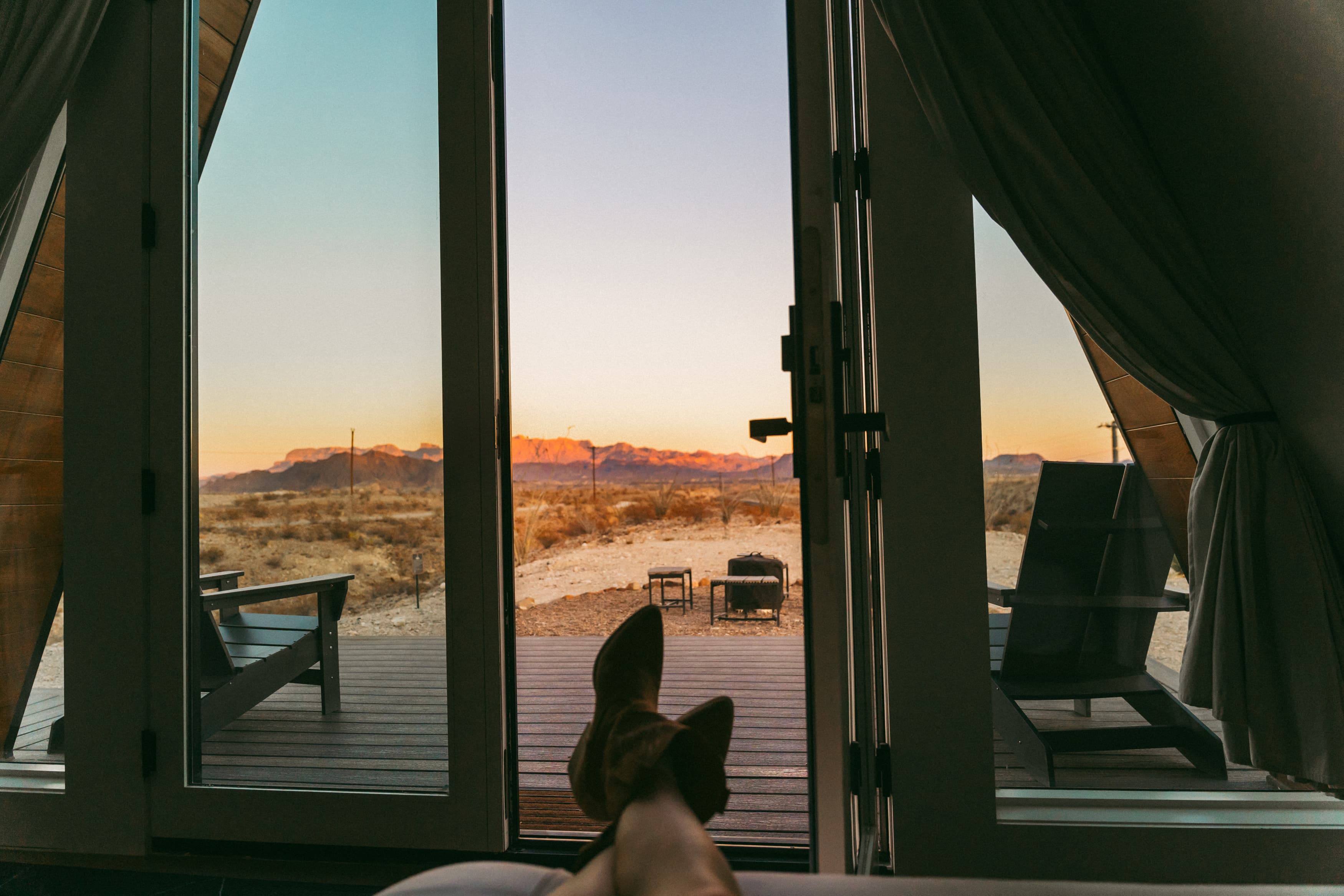
Cabin nights are perfect. Cool enough that the firepit is genuinely useful. Cold enough that wrapping up under a blanket on the deck while watching the stars is fundamentally cozy.
What's Different in Winter (Mostly Not Worse)
Some high-elevation trails close after winter storms. The South Rim Loop and Emory Peak can have ice patches; rangers occasionally close them temporarily. Most years this is a few days total. Check trail conditions at Panther Junction the morning of your hike.
Ranger programs reduce. The full slate of summer/spring programs (guided walks, evening talks) is smaller in winter. Stargazing programs continue and are a highlight.
Some outfitters cut back hours. River rafting can be limited (the Rio Grande runs low and cold). Confirm with outfitters in advance.
Visitor centers may have reduced hours. Panther Junction stays open; some of the smaller stations have shorter days.
When Specifically to Go
Mid-December. Holiday weeks (Dec 24-Jan 2) see a small bump in visitors but it's still less crowded than spring. The combination of cool weather + festive feel + reasonably available lodging makes this an underrated week.
Mid-January. Probably the lowest-crowd two weeks of the year in the park. Lodging is the most available, prices the most reasonable, trails the emptiest. Cold mornings, but lovely afternoons.
Mid-February through early March. Days warming up but still cool. Wildflowers starting in the lower elevations. Spring break hasn't hit yet.
Avoid only: the week between Christmas and New Year's if you're crowd-sensitive (still less crowded than spring, but the popular trails see traffic).
What to Pack
Winter Big Bend demands real layers. The 40°F temperature swing between dawn and afternoon means you'll add and remove layers four or five times a day on a hike.
Essential additions to a normal Big Bend pack: - Insulated jacket (down or synthetic puffy) — for sunrise/sunset and mornings - Beanie/winter hat — surprising how much it matters - Gloves — lightweight liner gloves are usually enough; heavier for the Chisos - Base layer (long underwear, wool or synthetic) — for the coldest mornings - Warm sleep clothes — cabin bedrooms can be cool overnight; layers help
You probably won't need: snow boots, traction devices (microspikes are rarely useful), heavy parka (overkill in 95% of conditions). Full packing list here.
A Sample Winter Weekend
Friday: Arrive at Stardust before dark. Light the firepit. Stargaze from the deck. Bed early.
Saturday: Lost Mine Trail starting at 9am. Pack a lunch for the trail, or eat back at the cabin. Afternoon nap. Sunset at Santa Elena Canyon. Dinner at the Starlight.
Sunday: Hot Springs at sunrise (cold air + 105°F water = magic). Drive home in the afternoon.
The whole trip will cost less than the same dates in spring. The hikes will be quieter. The skies will be clearer. The fire will feel better than it does in summer. Winter Big Bend has earned its small but loyal fanbase. Try it once and you may join them.
Live cabin availability is here. Winter weekends are most easily booked 4-6 weeks out — much shorter lead than the spring/fall scrum.